
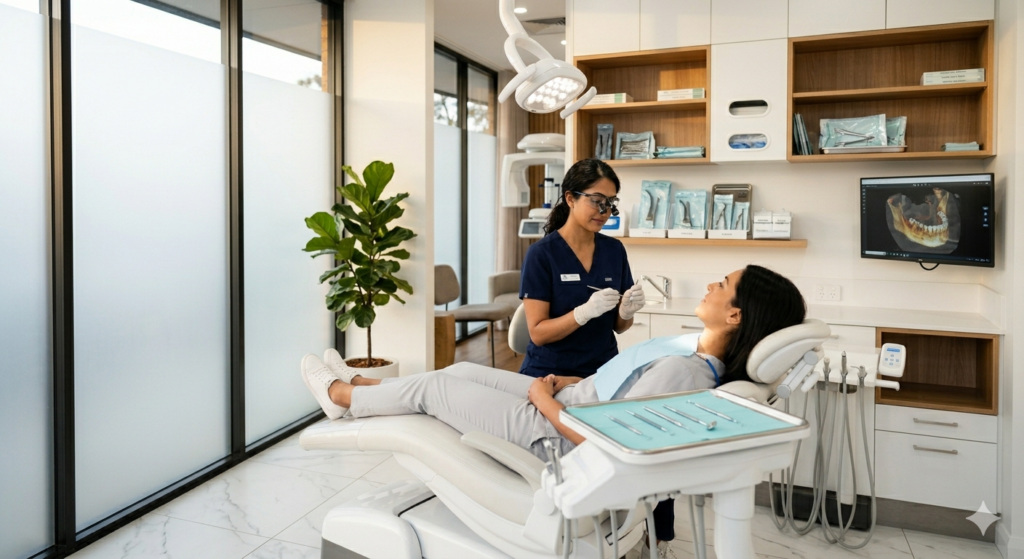
When a dental emergency strikes, knowing where to turn in Nashville can make all the difference. Whether it’s a sudden toothache, a broken tooth, or something more severe, quick and professional care is crucial to prevent further pain and damage. Emergency dental services in Nashville provide timely treatment that focuses on relieving pain and stabilizing the problem right away.
Many dental offices in Nashville offer flexible hours and same-day appointments specifically for urgent cases. They use modern technology and techniques to ensure patients feel comfortable and safe throughout their visit. It’s important to understand the types of emergencies covered and what to expect during treatment to ease any anxiety.
Reliable emergency care means you don’t have to wait in discomfort or uncertainty. Knowing where to find helpful, experienced dentists who prioritize patient comfort can bring peace of mind when an unexpected dental issue arises. He or she should always encourage reaching out early rather than waiting to see if the problem resolves on its own.
Understanding Dental Emergencies
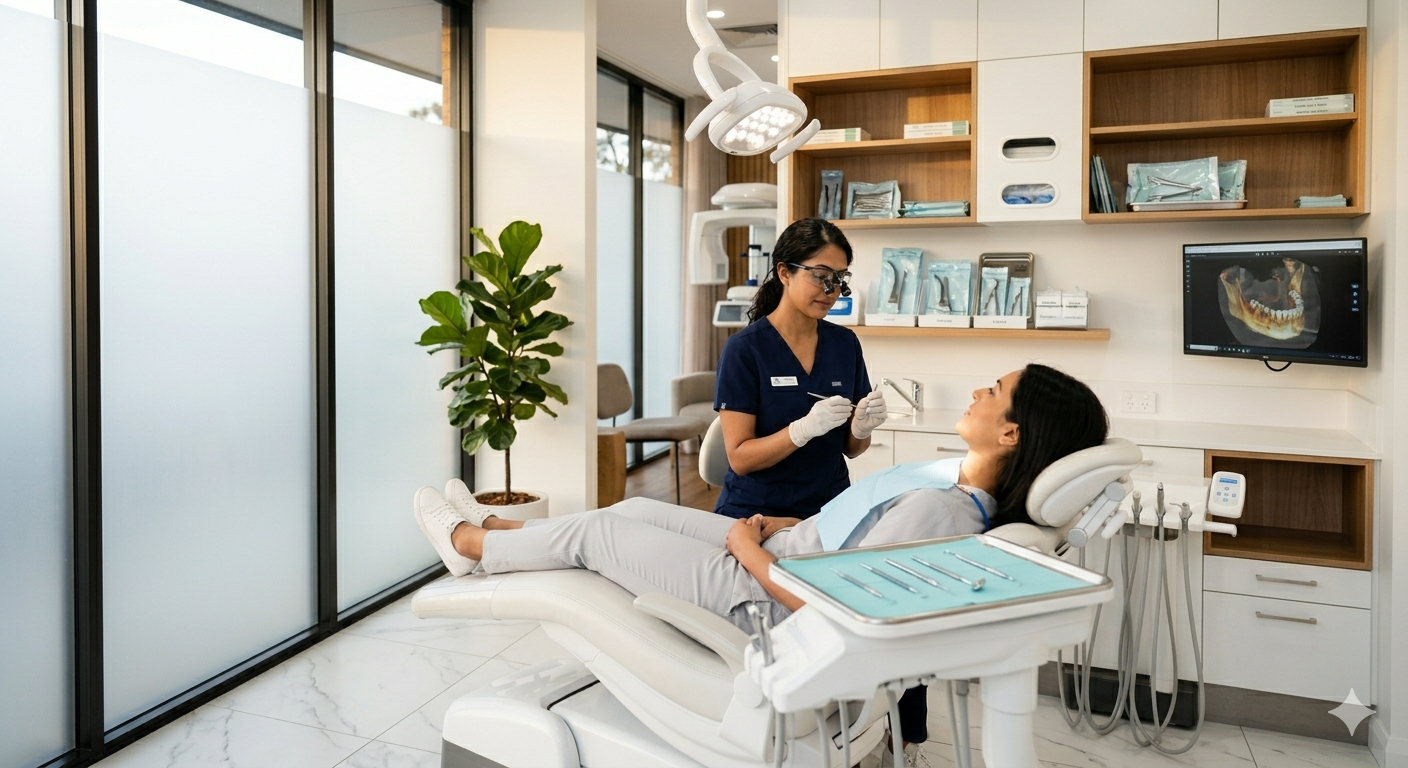
Dental emergencies can happen anytime and often require prompt attention to prevent further damage or pain. Knowing the different types of urgent issues, how to spot symptoms that need quick care, and what can happen if treatment is delayed helps patients act swiftly and calmly.
Types of Urgent Dental Issues
Common dental emergencies include knocked-out teeth, severe toothaches, broken or cracked teeth, and infections. A knocked-out tooth needs immediate care to have a better chance of being saved. Severe pain often signals an infection or nerve damage that requires quick treatment.
Other urgent problems involve objects stuck between teeth causing pain or swelling, lost fillings or crowns, and injuries to the gums or soft tissues. Each issue demands different care steps but should be treated as soon as possible to avoid complications.
Recognizing Symptoms Requiring Immediate Care
Symptoms like intense tooth pain lasting more than a few hours, persistent bleeding after trauma, or sudden swelling around the jaw or face are signs to seek emergency dental care. Patients should also act quickly if they experience fever alongside dental pain, as this indicates an infection potentially spreading beyond the mouth.
Difficulty breathing or swallowing caused by dental trauma is a serious warning sign. Visible broken or loose teeth following an accident should be addressed right away. Early treatment can reduce pain and help prevent infections or further damage.
Consequences of Delaying Treatment
Delaying care for dental emergencies often leads to worsened pain, increased risk of infection, and permanent damage. For example, a knocked-out tooth left unattended for too long may become impossible to save.
Infections can spread to other parts of the body if not treated promptly, potentially causing serious health risks. Broken teeth may develop decay or cause bite problems over time. Quick action ensures better outcomes and less complex treatment.
What to Do During a Dental Crisis
In a dental emergency, quick and careful steps can ease pain and protect teeth. Knowing how to handle the situation at home, when immediate professional help is needed, and ways to stay calm can make a big difference.
Home Care Before Reaching the Dentist
If a tooth is chipped or knocked loose, gently rinse the mouth with warm water. Avoid scrubbing or poking the injured area. For a displaced tooth, try to save it by holding it by the crown (the chewing surface), not the root.
To reduce swelling, apply a cold compress to the outside of the cheek for 10 to 20 minutes. Over-the-counter pain relievers like ibuprofen can help, but aspirin should be avoided as it might increase bleeding. If bleeding occurs, bite down gently on a piece of clean gauze or cloth until it stops.
Keep any broken pieces of the tooth in milk or saline solution to bring to the dentist. Avoid using sharp objects to adjust loose teeth or appliances. Staying calm and acting carefully can protect the mouth until professional care is available.
When to Seek Help Right Away
Certain symptoms require immediate dental attention. If there is uncontrolled bleeding that lasts longer than 15 minutes, get emergency care right away. Severe pain, especially after an injury, should not be ignored.
A tooth that is completely knocked out needs prompt action. The tooth is most likely to be saved if re-implanted within one hour. Signs of infection, such as swelling that spreads to the face, fever, or difficulty breathing or swallowing, need urgent evaluation.
Any trauma that affects jaw alignment, causes looseness of several teeth, or results in a broken jaw requires emergency services. If you notice swelling or pain accompanied by a broken bridge, crown, or dental appliance, contact a dentist as soon as possible.
How to Stay Calm and Reduce Pain
Stay calm by focusing on deep, slow breathing to manage stress during a dental emergency. Stress can increase pain perception, so taking a moment to compose yourself helps.
Use cold compresses to numb the affected area and reduce swelling. Avoid hot drinks or food that can worsen pain. Try to keep the head elevated; lying down can increase blood flow and swelling.
Distracting yourself with music or a simple, relaxing activity can ease anxiety as you prepare to see the dentist. Remember, pain relief medication and professional treatment will follow soon. Taking control of your reaction can make the whole process more bearable.
Nashville’s Emergency Dental Solutions
Nashville offers a variety of emergency dental services designed to meet urgent needs quickly and effectively. Patients can find options that prioritize accessibility, prompt treatment, and flexible payment plans. These services aim to reduce pain, prevent further damage, and restore oral health without unnecessary delays.
After-Hours and Weekend Availability
Many emergency dental clinics in Nashville understand that dental emergencies don’t wait for regular office hours. Numerous practices provide extended hours during evenings, weekends, and even some holidays. This availability allows patients to receive care when a toothache, injury, or sudden swelling strikes outside typical 9-to-5 schedules.
Walk-in services and same-day appointments are common features. Clinics often advertise emergency phone lines or online booking to make contacting a provider simple. This means less time worrying and more time getting the treatment needed for relief and recovery.
Choosing the Right Dental Provider Quickly
Selecting an emergency dental provider under pressure can be stressful. Nashville dentists with emergency services typically emphasize rapid response, experienced staff, and effective pain management. Checking for credentials, patient reviews, and services offered can help guide a choice.
Patients should consider whether the provider handles specific emergencies, such as knocked-out teeth or severe infection. Clear communication about wait times, treatment plans, and follow-up care is crucial. Providers who also offer sedation or advanced technology may ease anxiety and improve the experience during urgent visits.
Insurance and Payment Flexibility
Cost is often a concern during unexpected dental emergencies. Many Nashville emergency dentists accept a broad range of insurance plans and offer transparent pricing upfront. Patients can inquire about coverage for urgent procedures like root canals, extractions, or temporary crowns.
For those without insurance, flexible payment options such as financing plans or sliding scale fees are often available. This helps ease financial stress while ensuring patients get necessary care. Clear discussion about costs before treatment encourages trust and informed decisions.
Common Emergency Treatments Explained
Emergency dental care in Nashville covers specific issues that require prompt attention to relieve pain and prevent complications. Key treatments address sudden toothaches, traumatic injuries, and damage to existing dental work, ensuring patients can restore comfort and function quickly.
Managing Toothaches and Infections
Toothaches can signal underlying infections or decay that need quick care. Dentists often start by identifying the source, which might involve an abscess, cavity, or gum infection. Treatment may include drainage of any abscess, prescribing antibiotics, and pain relief.
If the infection is severe, a root canal or extraction might be necessary to stop it from spreading. Patients are advised to avoid placing aspirin directly on the sore area, as it can irritate the gums. Cold compresses and over-the-counter painkillers can help control pain until professional care is received.
Treating Broken or Knocked-Out Teeth
Broken or knocked-out teeth require immediate dental attention to increase the chance of saving them. For a broken tooth, dentists can smooth sharp edges, restore the shape with bonding or crowns, or perform root canal therapy if the damage reaches the pulp.
If a tooth is knocked out completely, it’s crucial to keep it moist—ideally in milk or saliva—and get to the dentist within an hour. Reimplantation is possible if treated promptly. Avoid touching the root to prevent damage and do not scrub the tooth clean.
Handling Lost Fillings or Crowns
Losing a filling or crown can expose sensitive parts of the tooth, causing discomfort and risk of further damage. Dentists will first clean the tooth and assess for decay or cracks before placing a temporary or permanent restoration.
If a crown pops off, the original crown can sometimes be re-cemented if it’s undamaged. Until dental care, avoid sticky or hard foods and keep the area clean. Temporary dental cement is available at pharmacies to protect the tooth briefly.
Modern Comfort in Urgent Care
Emergency dental care in Nashville now combines the latest technology with patient-focused comfort. From effective pain management to gentle procedures, these services make urgent visits less stressful and more manageable.
Pain Relief and Sedation Options
Patients experiencing dental emergencies often face intense pain. Nashville clinics offer various pain relief options to address this quickly. Local anesthetics numb the affected area, allowing immediate relief during treatment. For patients with severe discomfort, stronger sedation methods like nitrous oxide (laughing gas) or oral sedatives may be used to reduce pain and anxiety.
Many offices tailor sedation based on individual needs and medical history. This ensures patients remain comfortable without waiting through extended discomfort. The goal is to make urgent procedures as pain-free as possible while keeping safety a top priority.
Gentle Techniques That Ease Anxiety
Dental anxiety is common during emergencies, but modern clinics in Nashville focus on gentle care techniques. These include using soft tissue management tools that minimize irritation and employing slower, steady movements to avoid sudden pain.
Staff often take extra time to explain each step calmly, helping patients feel more in control. Techniques like distraction methods or guided breathing may also be encouraged. Such approaches help reduce fear, so patients are better able to handle their urgent dental visit with confidence and ease.
Preventing Future Emergencies
Taking steps to maintain strong teeth and gums can significantly reduce the risk of dental emergencies. Daily habits and protective measures during physical activities are key to keeping your smile healthy and safe.
Tips for Everyday Oral Wellness
Brushing twice daily with fluoride toothpaste is essential. It removes plaque before it hardens into tartar, which can cause decay and gum disease. Using a soft-bristled toothbrush prevents gum irritation and enamel wear.
Flossing once a day clears debris and bacteria from between teeth, areas a toothbrush can’t reach. Avoiding sugary snacks and drinks lowers the chance of cavities forming. Drinking plenty of water helps wash away food particles and maintains saliva, which protects against decay.
Regular dental check-ups allow early detection of problems. Professionals can clean spots you might miss and provide personalized advice. Establishing these habits creates a strong defense against dental damage and pain.
Protecting Teeth During Sports and Activities
Wearing a custom-fitted mouthguard during contact sports or high-impact activities is one of the best ways to prevent tooth fractures and soft tissue injuries. Over-the-counter guards are available but often do not fit as securely, risking discomfort or reduced protection.
Athletes should avoid chewing ice or hard objects that can crack teeth. Helmets and face guards can protect against accidents involving head and jaw trauma. Proper safety gear combined with careful technique lowers the chance of sudden dental injury.
Parents should ensure children and teens have appropriate protective equipment. Encouraging safe play habits alongside gear use prepares them for avoiding dental emergencies on and off the field.
Partnering With Your Nashville Dental Team
When an emergency strikes, having a reliable dental team in Nashville can make all the difference. They provide more than just quick fixes—they offer ongoing support to help prevent future problems.
A good dental team listens carefully and explains treatment options in simple terms. This helps patients feel comfortable and confident in the care they receive. Communication is key, especially when stress or pain is involved.
Many Nashville dentists now use modern technology to improve emergency care. Digital X-rays, same-day crowns, and gentle anesthesia options all aim to reduce discomfort and speed recovery.
Patients can also benefit from developing a relationship with their dental team ahead of time. Regular check-ups allow dentists to spot issues early and create personalized care plans that minimize emergencies.
Tips for a strong partnership:
- Keep open communication about symptoms or concerns
- Follow recommended preventive care routines
- Schedule regular visits, even when feeling fine
- Ask questions about treatment choices or emergency procedures
Having a trusted dental team nearby ensures emergencies are handled swiftly and comfortably. They are ready to guide patients through each step, making urgent dental care as smooth as possible.
Frequently Asked Questions
Emergency dental issues can feel overwhelming, but knowing what steps to take helps. Understanding when to seek care, where to go, and how to manage immediate problems makes a big difference.
How do I know if my tooth pain is a true emergency or something that can wait until the next business day?
Severe pain, swelling, bleeding, or tooth loss usually requires urgent care. Mild discomfort or sensitivity might wait until regular office hours. Persistent pain lasting more than a day is a sign to get checked promptly.
Where can I find a dentist who can see me tonight or early tomorrow morning for a sudden dental problem?
Several Nashville dental offices offer after-hours emergency appointments. Some clinics have 24/7 phone lines to help schedule urgent visits. Checking local listings or calling your regular dentist for an emergency referral is a good start.
What should I do right now if I chip or break a tooth before I can get in to be seen?
Rinse your mouth gently with warm water and save any broken pieces. Use a cold compress outside your cheek to reduce swelling. Avoid chewing on the damaged side and contact an emergency dentist as soon as possible.
If I don’t have a regular dentist (or I’m new to town), what’s the best way to get same-day care for a dental emergency?
Look for local dental urgent care centers or walk-in clinics. Some practices reserve slots daily for emergency patients. Calling nearby dental offices or searching online for emergency dental services in Nashville helps you find fast care.
Can urgent care or the emergency room treat a severe toothache or dental infection, and when should I go there instead?
Urgent care centers can provide pain relief or antibiotics but usually can’t perform dental procedures. Go to the emergency room if you have swelling affecting breathing, fever, or severe trauma. Otherwise, a dental office is often better equipped for tooth problems.
Are there low-cost or sliding-scale options in the area if I need emergency dental help and I’m worried about the cost?
Nashville has community clinics and dental schools offering reduced fees or payment plans. Some nonprofits provide emergency dental care for eligible patients. Calling ahead to ask about financial assistance can help you plan your visit.