

If a tooth injury or sudden, severe pain hits, you need clear steps and fast access to care in Nashville. Emergency dental clinics in Nashville offer same-day treatment for infections, knocked-out teeth, and intense pain, stabilizing your situation and preventing long-term damage.
They explain what counts as a true emergency, walk you through immediate at-home measures, and connect you with on-call dentists who use modern, comfortable treatments. Expect practical guidance on costs, insurance, and how to find reliable local care so you can act quickly and confidently.
Recognizing Dental Emergencies
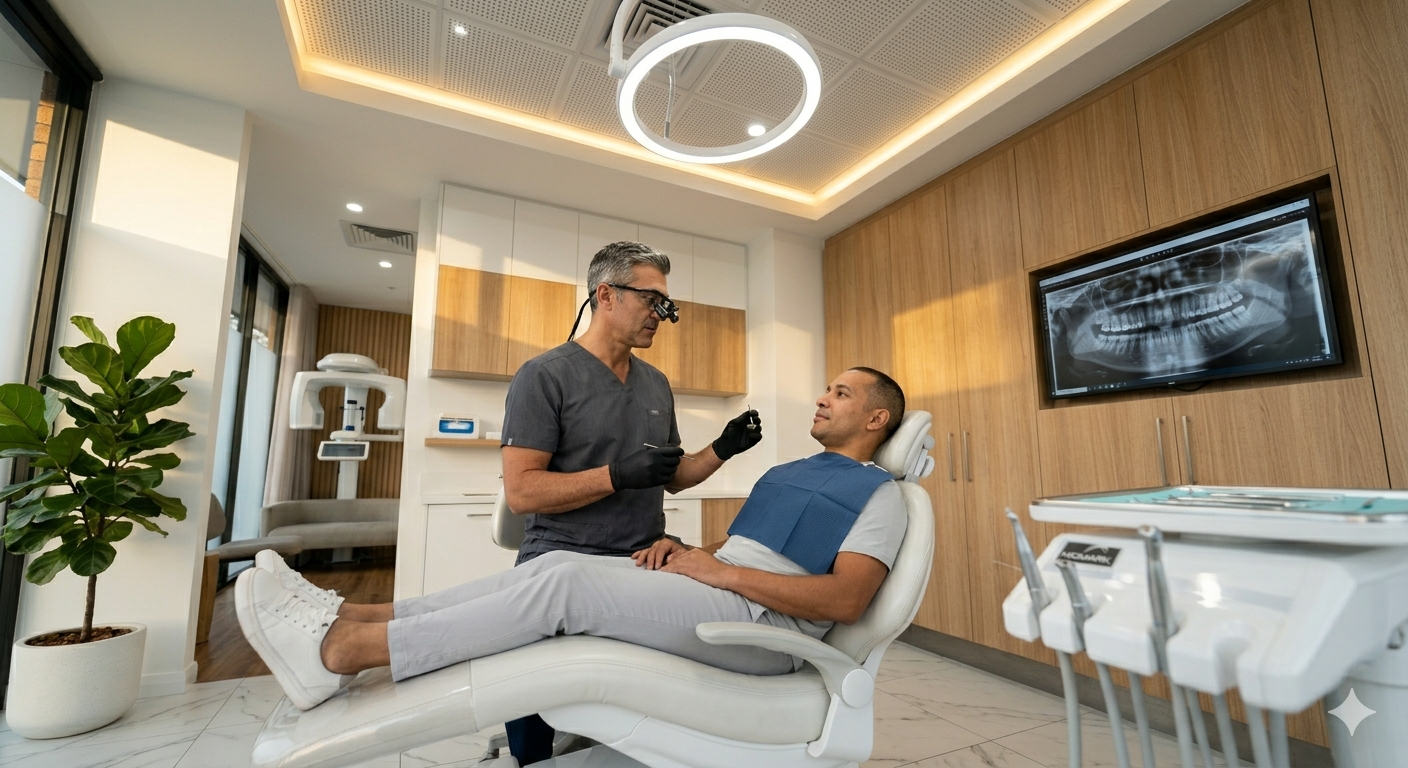
Recognizing signs quickly helps people get timely treatment and avoid bigger problems. The following points identify clear symptoms, when to act immediately, and risks of waiting so readers can decide fast and confidently.
Common Signs of Urgent Dental Issues
Severe tooth pain that wakes someone at night or doesn’t respond to over-the-counter pain relievers often signals infection or an abscess. Persistent throbbing pain localized to one tooth, increased sensitivity to hot or cold, or pain when biting should prompt urgent evaluation.
Visible swelling of the face, jaw, or gums — especially if accompanied by fever — suggests spreading infection. Loose teeth after trauma, a tooth pushed out of position, or a tooth knocked out entirely require quick attention to preserve the tooth and prevent nerve damage.
Profuse bleeding from the mouth that doesn’t stop after 10–15 minutes of firm pressure is an emergency. Sudden changes in bite alignment, broken restorations exposing nerve tissue, and acute soft-tissue lacerations inside the mouth also demand prompt care to control pain and reduce infection risk.
When to Seek Immediate Help
Seek immediate care if a tooth is completely avulsed (knocked out); keep the tooth moist in milk or saline and bring it to the clinic within one hour for the best chance of reimplantation. Call ahead so the dental team can prepare for emergency replantation or appropriate splinting.
If facial swelling progresses rapidly, breathing or swallowing becomes difficult, or the person develops high fever or confusion, go to the emergency department right away — airway compromise or systemic infection may be present. For severe uncontrolled bleeding, persistent severe pain, or visible bone fragments after trauma, urgent dental or emergency-room intervention is necessary.
For intense pain without trauma that wakes someone or prevents normal eating and sleeping, schedule an emergency dental visit within 24 hours. Quick assessment can identify abscesses, fractures, or nerve involvement and start antibiotics, drainage, or pain control as needed.
Potential Risks of Delaying Care
Delaying treatment for a dental abscess can let bacteria spread to jawbone, sinus cavities, or soft tissues, increasing the need for hospitalization or IV antibiotics. Untreated infections may damage nearby teeth, cause bone loss, or lead to chronic pain and more complex surgeries later.
Ignoring a cracked tooth that exposes the pulp can allow bacteria into the nerve, resulting in irreversible pulpitis and the likely need for root canal therapy or extraction. Waiting on a displaced or avulsed tooth reduces the chance of saving it; reimplantation success drops rapidly after the first hour.
Postponing care for severe bleeding or soft-tissue injury increases risk of continued blood loss, infection, and scarring. Early professional care limits complications, preserves dental structures, and shortens recovery time — patients should contact an emergency dental provider as soon as serious signs appear.
Types of Dental Emergencies
This section explains common urgent dental problems, the immediate steps to take, and typical treatments available in Nashville clinics.
Toothaches and Severe Pain
Toothaches often signal decay, a cracked tooth, exposed root, or inflamed pulp. Pain that is constant, throbbing, worsens with heat or cold, or wakes a person at night requires prompt evaluation to prevent infection and preserve the tooth.
Initial self-care includes rinsing with warm salt water, using over-the-counter analgesics per label directions, and applying a cold pack to the cheek for 10–15 minutes to reduce swelling. Avoid placing aspirin directly on the gums or tooth; that can cause burns and worsen sensitivity.
At the clinic, the dentist will examine the tooth, take X-rays, and test for pulp vitality. Treatment options range from a filling or crown for structural problems to root canal therapy if the pulp is infected. Pain control and antibiotics may be prescribed when signs of spreading infection appear.
Broken or Knocked-Out Teeth
A fractured tooth or an avulsed (knocked-out) tooth requires fast action to maximize the chance of saving the tooth. For a knocked-out permanent tooth, replanting within 30 minutes offers the best prognosis; primary (baby) teeth should not be replanted.
Steps to take: locate the tooth, handle it by the crown only, rinse debris with water (do not scrub or use soap), and attempt gentle reimplantation if the person is conscious and cooperative. If reimplantation is not possible, store the tooth in milk, saline, or the patient’s saliva and get to an emergency dentist immediately.
For fractured teeth, keep fragments if possible and bring them to the appointment. The dentist will assess root and pulp damage with imaging and may bond the fragment, place a crown, perform root canal therapy, or extract and discuss replacement options such as an implant or bridge.
Lost Fillings and Crowns
A lost filling or crown exposes dentin and can cause sharp sensitivity, chewing pain, and risk of further decay. Immediate care focuses on protecting the tooth and preventing bacterial contamination until the dentist can restore it.
Temporary measures include placing dental cement or sugar-free gum into the crown or cavity to cover exposed surfaces. Avoid sticky or hard foods on the affected side and use topical desensitizers or analgesics for comfort.
At the dental office, the clinician will check for underlying decay and the integrity of the remaining tooth structure. Treatment may involve recementing the existing crown, fabricating a new crown, replacing the filling, or performing more extensive restoration if the tooth is compromised. Preventive advice will address bite forces and habits that contributed to the failure.
Infections and Abscesses
Dental infections and abscesses often present as localized swelling, severe throbbing pain, fever, or a bad taste from drainage. They can spread quickly to adjacent tissues and, rarely, to deeper spaces of the head and neck, so timely care matters.
If swelling or systemic symptoms appear, seek emergency care. Until arrival, apply cold packs to reduce swelling and avoid heat, which can increase blood flow and worsen spread. Do not attempt to lance an abscess at home.
The dentist will evaluate with clinical exam and imaging, then drain the abscess when indicated and prescribe antibiotics to control infection. Definitive treatment frequently requires root canal therapy or extraction of the infected tooth, followed by follow-up care to ensure resolution and prevent recurrence.
How Emergency Dentists Can Help
Emergency dentists offer immediate pain control, stabilization of injured teeth, and quick access to imaging and specialist referrals when needed. They prioritize safety, preserve oral function, and provide clear next steps for follow-up care.
Prompt Pain Relief Options
Emergency dentists use targeted treatments to stop pain quickly. For a severe toothache from infection, they may prescribe antibiotics and perform a pulpectomy or emergency root canal to remove inflamed pulp and relieve pressure. For acute pain due to a fractured tooth, they can smooth sharp edges, place a temporary restoration, or bond the chipped piece back to the tooth to prevent further irritation.
They also manage soft-tissue injuries: lacerations inside the mouth receive gentle cleaning and, if needed, simple suturing to reduce bleeding and infection risk. Over-the-counter and prescription analgesics are used according to pain level and medical history. Dentists advise on immediate at-home measures—cold compresses for swelling, salt-water rinses for cleanliness, and avoiding chewing on the injured side.
Restorative Treatments for Injuries
When a tooth is broken, displaced, or knocked out, emergency dentists aim to preserve the tooth and restore function. For a knocked-out tooth (avulsed), they assess time out of the mouth and saliva/ milk storage; if viable, they perform reimplantation and splint the tooth to adjacent teeth for stabilization. If reimplantation isn’t possible, they discuss timely options like implants or bridges.
Cracked or fractured teeth receive tailored care: small fractures are smoothed and bonded with composite resin; larger fractures may require a crown after stabilizing the tooth. Root canal therapy becomes necessary when the pulp is exposed or infected, followed by a crown to protect the tooth long-term. Emergency clinics coordinate follow-up restorative care with the patient’s regular dentist or oral surgeon.
Modern Sedation for Comfort
Emergency dental visits can use several sedation levels to keep patients calm and pain-free. Nitrous oxide (laughing gas) provides mild anxiolysis and wears off quickly, making it suitable for short emergency procedures. Oral sedatives reduce anxiety for patients who need more reassurance but remain conscious and responsive.
For more complex emergency procedures, intravenous (IV) sedation offers deeper sedation while maintaining safety monitoring. Local anesthesia is used in virtually all procedures to block pain at the site. The dentist reviews medical history, current medications, and vital signs before recommending sedation and explains risks and recovery expectations so patients can make informed decisions.
If the reader has questions or needs urgent evaluation, the emergency dental team encourages contacting the clinic immediately to arrange prompt assessment and treatment.
What to Do Before Reaching the Dentist
Act quickly, stay calm, and focus on pain control, bleeding management, and protecting any loose or knocked-out teeth. Gather any medications, dental records, and a clean container for a tooth if available.
Immediate At-Home First Aid Steps
If a tooth is knocked out, pick it up by the crown (the chewing surface), not the root. Rinse visible dirt with saline or milk for no more than 10 seconds; do not scrub or use soap.
If possible, try to reposition the tooth into the socket and have the person bite gently on gauze or a clean cloth to hold it; if reinsertion isn’t possible, store the tooth in cold milk, saline, or the person’s saliva in a clean container.
For severe pain, nonsteroidal anti-inflammatory drugs (ibuprofen) work well unless contraindicated; follow label dosing and avoid aspirin for children. Keep the head elevated to reduce throbbing and prevent fainting.
Managing Swelling and Bleeding
Apply firm but gentle pressure with sterile gauze or a clean cloth to stop bleeding. Change the gauze every 15–20 minutes; if bleeding soaks through after 30–45 minutes of consistent pressure, seek emergency care.
Use a cold compress or ice pack wrapped in cloth on the cheek for 10–15 minutes on, 10 minutes off to reduce swelling and numb pain. Avoid heat, which can increase swelling.
If the person is on blood thinners or has a bleeding disorder, notify the dental team and consider going to an emergency room if bleeding won’t stop with pressure and cold.
Protecting Damaged Teeth
For cracked or fractured teeth, rinse the mouth with warm water and apply a cold compress to reduce swelling. Save any broken tooth fragments in milk or saline and bring them to the dentist; fragments sometimes can be reattached.
If a crown or filling comes off, clean the crown and try to temporarily re-seat it using dental cement or sugarless chewing gum if no cement is available, but avoid permanent re-cementing.
Limit chewing on the affected side and stick to soft foods and lukewarm liquids. Bring a list of current medications and any allergies to the appointment to help the dental team plan safe, timely treatment.
Finding Reliable Care in Nashville
Locating trustworthy emergency dental care means checking credentials, hours, and patient experience before a crisis hits. Prioritize providers who offer clear communication, transparent pricing, and a calm treatment environment.
What to Look For in an Emergency Dental Provider
They should be a licensed dentist with emergency training or an ER-focused dental team. Verify license status through the Tennessee Board of Dentistry and look for affiliations with local hospitals or urgent-care networks.
Ask about experience treating common dental emergencies: knocked-out teeth, severe infections, uncontrolled bleeding, and trauma. Confirm the clinic performs evaluations, pain control, x-rays, and definitive care (extraction, root canal, or splinting) rather than only providing temporary relief.
Check patient reviews and ratings on Google, Healthgrades, or Yelp for responsiveness and outcomes. Call the office to assess phone triage, wait-time estimates, and whether staff explains costs and insurance. Note if they offer sedation options for anxious patients and whether staff speak multiple languages.
Availability of Same-Day Appointments
A reliable emergency practice keeps daily blocked slots or on-call dentists for walk-ins and same-day needs. Ask whether they reserve appointment windows specifically for emergencies versus squeezing patients into routine schedules.
Confirm after-hours policies: some clinics extend evenings and weekends, while others contract with hospital-based dental services. Clarify any additional fees for nights or holidays and whether the practice accepts major insurers and Medicaid.
Find out average wait times for same-day visits—transparent clinics will offer expected timelines. Also check if the office has on-site imaging (digital x-ray, CBCT) and lab support to reduce repeat visits and speed definitive care.
How to Prepare for Your Emergency Visit
Gather identification, insurance cards, a list of medications, and a brief medical history before calling or arriving. Note allergies, recent surgeries, and anticoagulant use, since these factors change emergency treatment plans.
If transporting a knocked-out tooth, hold it by the crown, rinse gently, and store it in milk or saline; bring it to the clinic immediately. For swelling or infection, apply a cold compress and avoid aspirin; seek care promptly if fever or spreading redness appears.
When calling, describe symptoms precisely: onset time, pain level, bleeding, and cause (trauma vs. spontaneous). Ask whether the clinic requires pre-visit forms, accepts your insurance, and if they can provide a price estimate for likely procedures.
Preventing Future Dental Emergencies
Regular care, daily habits, and the right protective gear reduce the chance of sudden tooth pain, broken teeth, and lost restorations. Patients benefit most from predictable checkups, consistent oral hygiene, and sports mouthguards.
Importance of Regular Checkups
Dentists in Nashville recommend checkups every six months for most adults; patients with gum disease or a history of dental emergencies may need visits every three to four months. These exams let clinicians find small cavities, early gum infection, or failing fillings before they become painful emergencies.
Professional cleanings remove tartar that brushing can’t, lowering the risk of rapid decay and periodontal pockets. Digital X-rays and intraoral photos detect hidden cracks, root issues, and bone loss early so clinicians can plan conservative repair rather than emergency extraction.
During routine visits, clinicians also review medications, dry mouth causes, and night grinding (bruxism), which contribute to fractures and wear. Personalized prevention plans—fluoride varnish, desensitizing agents, or occlusal splints—address specific risks and reduce emergency visits.
Healthy Habits for Stronger Teeth
Brush twice daily with a fluoride toothpaste and a soft-bristled brush for two minutes to remove plaque and protect enamel. Floss once daily to remove interdental debris that causes decay between teeth; interdental brushes work well for wider spaces.
Limit acidic drinks and sticky snacks; swap sodas and citrus juices for water and milk to reduce erosion and cavity risk. Chew sugar-free gum with xylitol for 10–20 minutes after meals to stimulate saliva and neutralize acids when brushing isn’t possible.
Address dry mouth from medications by increasing water intake and discussing alternatives with the clinician. Treat teeth grinding with a nightguard and stress-reduction strategies; untreated bruxism leads to chips, fractures, and lost crowns.
Protective Gear for Sports and Activities
Custom-fitted mouthguards from a dental office offer the best protection for contact sports and high-risk activities. They absorb and distribute impact, reducing the risk of tooth avulsion, fractures, and soft-tissue injuries.
Boil-and-bite guards are an affordable option but may fit poorly and allow movement, increasing injury risk. For youth athletes, ensure the guard fits with any orthodontic appliances; clinicians can provide guards designed for braces.
Recommend helmets, face shields, and sport-specific protective equipment in addition to mouthguards. Replace mouthguards every season or after significant dental work, and have them checked at dental visits for wear and fit.
If questions arise about a guard type or a prevention plan, patients should contact their Nashville dental office to schedule a fitting or a risk assessment.
Understanding Costs and Insurance Options
Costs for emergency dental care in Nashville vary depending on the treatment needed — from a simple exam and X-rays to root canal therapy or tooth extraction. Patients often face higher fees for after-hours visits or same-day appointments; providers will typically explain pricing before treatment when possible.
Many dental offices accept major dental insurance plans and will file claims on the patient’s behalf. Insurance commonly covers urgent exams and some procedures partially; out-of-pocket responsibility depends on deductibles, co-pays, and annual maximums.
Uninsured patients can ask about payment plans, sliding-scale fees, or emergency-only pricing to make care more affordable. Some clinics offer in-house financing or partner with third-party medical credit services; it helps to call ahead and discuss options.
Typical price ranges (approximate):
- Emergency exam and X-ray: $75–$200
- Tooth extraction: $150–$450 (simple) / $300–$1,000+ (surgical)
- Root canal: $600–$1,500 depending on tooth location
Patients should bring insurance cards, ID, and a list of medications to speed billing and authorization. They should also ask the office for an estimate and whether pre-authorization is required for procedures.
If unsure about coverage, contacting the insurer or the dental office’s billing staff can clarify benefits quickly. Encourage the patient to call the practice to review costs and set up a timely appointment.
Taking the Next Steps Toward Relief
When a patient experiences dental pain or a sudden injury, they should act promptly to reduce damage and discomfort. Calling a trusted Nashville emergency dental office is the fastest way to secure an appointment and get tailored advice.
They can expect a brief triage call where staff ask about symptoms, medical history, and pain level. This helps prioritize care and prepare the clinic with any necessary instruments or imaging.
If the problem is severe — uncontrolled bleeding, facial swelling, or trauma to the jaw — visiting the nearest emergency room first is wise. For severe but non-life-threatening issues, the emergency dental clinic often provides same-day exams, x-rays, temporary restorations, and pain control.
Patients should bring identification, a list of medications, and any dental insurance information to streamline check-in. If tooth fragments or a knocked-out tooth exist, placing them in milk or saliva and bringing them can improve the chance of reattachment.
Many clinics offer flexible payment options and after-hours contact lines; asking about fees and follow-up care during the first call removes surprises. They should also note instructions for at-home first aid, such as applying a cold compress or taking recommended over-the-counter pain relievers.
For ongoing concerns, scheduling a follow-up with a primary dentist or specialist ensures definitive treatment and preventive planning. Contacting a local emergency dental provider in Nashville will connect patients with timely care and clear next steps.
Frequently Asked Questions
This section answers common urgent dental concerns: which problems need immediate care, steps to protect teeth after trauma, ways to ease severe pain at home, what occurs during an emergency visit, typical costs and payment options, and practical prevention tips.
What counts as a true dental emergency, and when can it wait until regular office hours?
A true dental emergency includes uncontrolled bleeding, severe swelling that affects breathing or swallowing, a knocked-out tooth, and intense pain that cannot be managed with over-the-counter medications. These require immediate attention, often same-day care.
Problems that can usually wait until regular hours include minor chips without pain, a lost small filling that doesn’t hurt, and mild, intermittent tooth sensitivity. Still, scheduling within a day or two helps prevent infection or worsening damage.
What should I do right away if I chip, crack, or knock out a tooth?
If a tooth is knocked out, pick it up by the crown, rinse gently with water, and try to reinsert it into the socket if possible. If reinsertion isn’t possible, store the tooth in milk or a tooth-preservation solution and get to an emergency dentist within one hour.
For a chipped or cracked tooth, rinse the mouth with warm water and apply a cold compress to reduce swelling. Save any broken pieces and seek prompt dental care to assess for cracks that could extend below the gumline.
How can I get fast relief from severe tooth pain before I’m seen by a dentist?
Rinse with warm salt water to reduce bacteria and soothe gum irritation. Take acetaminophen or ibuprofen per label directions for pain control; avoid placing aspirin directly on the gum or tooth.
Use a cold compress on the cheek for 10–20 minutes to reduce swelling and numb pain. Avoid very hot or cold foods if the tooth is sensitive, and don’t chew on the affected side.
What happens during an emergency dental visit, and how long does it usually take?
The dentist will review medical history, examine the mouth, and take any necessary X-rays to diagnose the problem. Treatment can range from temporary stabilization (e.g., pain control, temporary filling, splinting a tooth) to definitive care like root canal or extraction.
Most emergency visits take 30–90 minutes depending on the complexity and whether immediate treatment is performed. Follow-up appointments are often scheduled for definitive restoration or further care.
How much does an urgent dental visit typically cost, and do most offices accept insurance or offer payment options?
Urgent visit fees vary by location and treatment but often include an exam/triage fee plus costs for procedures like fillings, extractions, or root canals. Typical emergency exam fees in many U.S. cities range from $75–$200, with procedures billed separately.
Many dental offices accept major dental insurance and file claims directly. For uninsured patients, clinics commonly offer payment plans, sliding-scale fees, or third-party financing to spread costs.
How can I prevent common dental emergencies like broken teeth, lost fillings, or painful infections?
Wear a properly fitted mouthguard during contact sports and a nightguard if grinding teeth. Avoid chewing hard objects like ice, popcorn kernels, or opening packages with teeth.
Keep regular dental checkups and cleanings to catch small problems—like decay or loose fillings—before they become emergencies. Address persistent pain, swelling, or mobility early to prevent infections and more invasive treatments.