
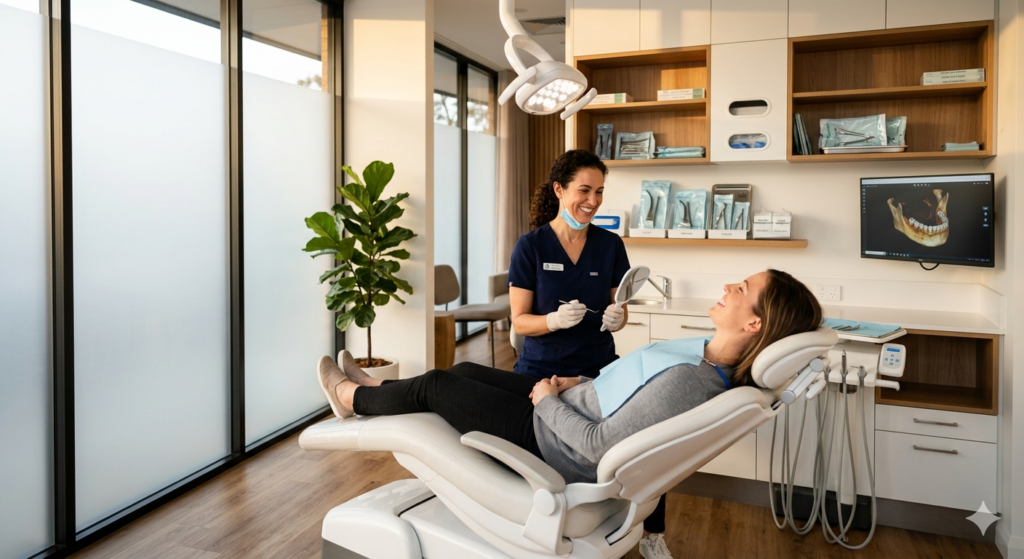
When dental emergencies happen in Nashville, knowing where to turn quickly can make all the difference. Whether it’s a broken tooth, sudden pain, or an injury, immediate care is essential to prevent further damage and relieve discomfort. Emergency dental services in Nashville are designed to provide fast, expert help when unexpected dental problems arise.
These services often include same-day appointments, pain management, and access to advanced treatments right when patients need them most. Local dentists understand that emergencies don’t wait and are ready to support patients with a calm, effective approach that focuses on comfort and healing.
With modern technology and compassionate care, Nashville’s emergency dental providers help patients feel safe and cared for during stressful situations. They encourage anyone facing urgent dental issues to reach out early to protect their smile and wellbeing.
When to Seek Urgent Dental Care
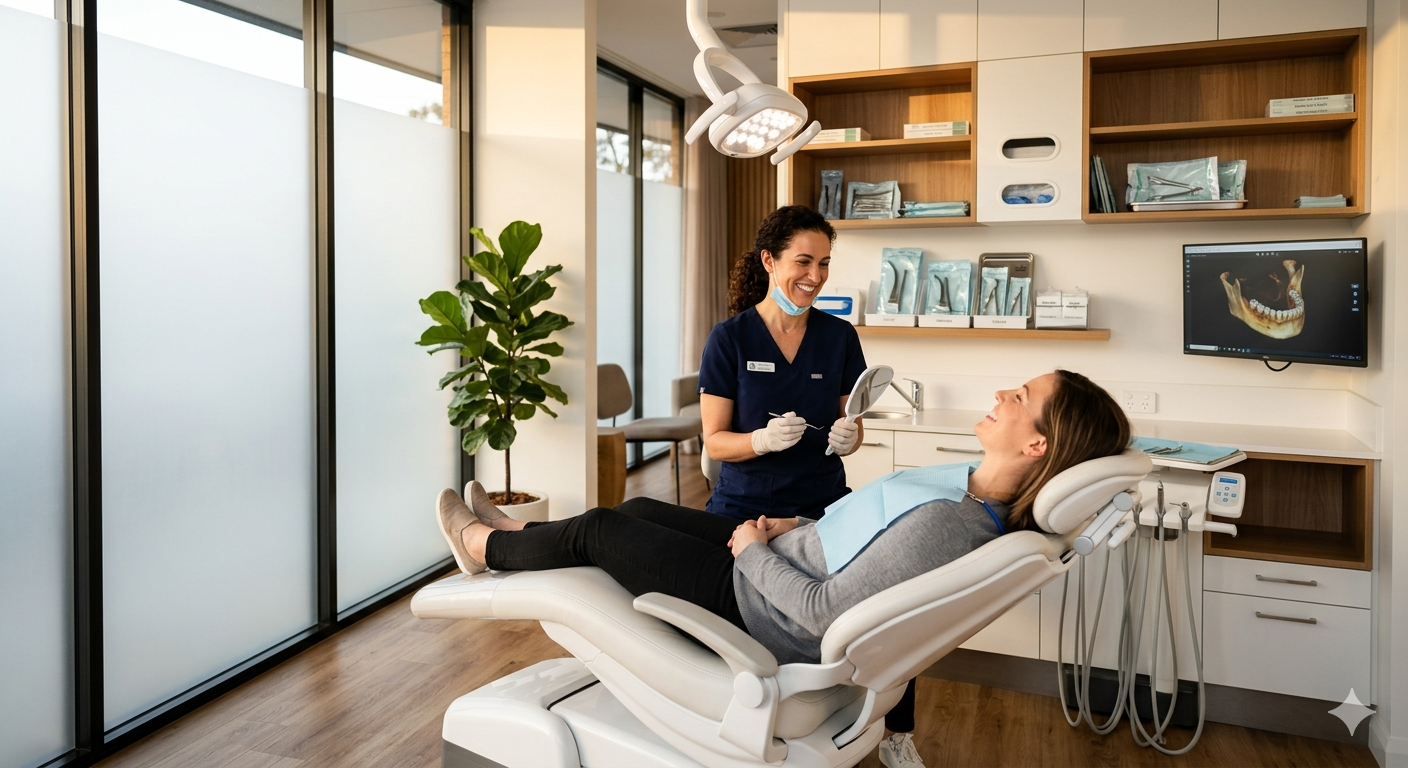
Knowing when a dental issue requires immediate attention can prevent complications and relieve pain faster. Certain symptoms signal a true emergency, and taking the right steps before seeing a dentist helps manage the situation effectively. Sudden tooth pain often arises from specific causes that should not be ignored.
Signs of a True Dental Emergency
Severe tooth pain that won’t stop, intense swelling around the face or jaw, and uncontrolled bleeding are clear signs of an emergency. A knocked-out tooth or a broken tooth exposing the nerve also demands immediate dental care.
If you experience difficulty breathing or swallowing due to dental swelling, seek emergency services right away. Mild discomfort or sensitivity usually doesn’t require urgent care, but these major signs should prompt a fast response.
What to Do Before Visiting a Dentist
Rinsing the mouth gently with warm salt water helps reduce bacteria and ease inflammation. Applying a cold compress to the outside of the mouth or cheek can minimize swelling and reduce pain.
For a knocked-out tooth, hold it by the crown (the chewing surface), rinse it if dirty, and try to place it back in its socket if possible. Otherwise, keep it moist in milk or saliva until reaching the dentist. Avoid aspirin or placing medication directly on the gums, as this can cause irritation.
Common Causes of Sudden Tooth Pain
Sudden tooth pain often comes from cavities that have reached the nerve, cracked teeth, or infections like abscesses. Teeth grinding or jaw clenching can also cause sharp pain due to muscle strain.
Another frequent cause is gum disease leading to inflammation or exposure of sensitive root surfaces. Understanding these common triggers can help patients recognize when pain signals a problem that needs prompt professional care.
Types of Emergencies Treated
Emergency dental care in Nashville covers a range of urgent issues requiring prompt attention. These include physical injuries to teeth, sudden severe pain from infections, and the unexpected loss of dental restorations.
Broken or Knocked Out Teeth
When a tooth breaks or is knocked out entirely, quick action is critical. For broken teeth, dentists evaluate how much tooth structure remains and decide whether bonding, crowns, or root canals are needed. If the tooth is knocked out, it’s important to keep it moist—ideally in milk or saliva—and get to a dentist within an hour. This increases the chances the tooth can be replanted successfully.
Patients are advised not to scrub the tooth but gently rinse it if dirty. Emergency care will also address pain, bleeding, and possible damage to surrounding tissue. Protecting the tooth and seeking immediate care can save it from permanent loss.
Severe Toothaches and Infections
Severe toothaches often signal infection or decay reaching the tooth nerve. These can cause intense pain, swelling, and sometimes fever. Emergency dentists focus on reducing pain and controlling infection, which may involve antibiotics, draining abscesses, or performing root canals.
Ignoring these symptoms can lead to worsening infection spreading to other areas of the head or neck. Early treatment improves comfort and prevents complications. The dentist will also identify the cause to plan follow-up care.
Lost Fillings or Crowns
Losing a filling or crown exposes the sensitive inner layers of a tooth, leading to pain or sensitivity. It also leaves the tooth vulnerable to decay or damage. Emergency treatment usually involves temporarily protecting the exposed area with dental cement or re-cementing the crown if possible.
If the lost restoration can’t be replaced immediately, the dentist will provide measures to reduce discomfort and prevent infection. Patients should avoid chewing on that side and keep the area clean until a permanent fix is done. Prompt treatment reduces risks and restores function.
Modern Approaches in Emergency Dentistry
Emergency dental care in Nashville uses the latest technology and gentle methods to improve patient comfort and treatment speed. These advancements help dentists quickly identify problems and relieve pain effectively, making urgent visits less stressful.
Advanced Diagnostic Tools
Dentists now rely on digital X-rays and 3D imaging to get precise views of dental issues. These tools expose patients to less radiation than traditional X-rays and provide clearer images, helping dentists spot fractures, infections, or abscesses quickly.
Intraoral cameras are another tool that allows dentists to show patients exactly what’s happening inside their mouths. This real-time view helps explain the problem and treatment options clearly.
Using computer-aided design (CAD) for crowns and repairs streamlines emergency procedures, often enabling same-day fixes. These technologies cut down wait times and improve accuracy, which means less discomfort for patients.
Gentle Techniques for Pain Relief
Emergency dentists prioritize patient comfort by using targeted numbing agents and sedation options tailored to each case. Instead of broad anesthesia, they often apply localized gels and injections that work fast.
For pain control after treatment, doctors recommend options like ibuprofen and cold compresses, avoiding overuse of heavy painkillers. This balanced approach helps manage discomfort without unnecessary side effects.
Laser dentistry is also growing in emergency care, offering minimally invasive treatment which reduces pain and speeds healing. Patients typically experience less swelling and can get back to normal activities sooner.
What to Expect During Your Visit
When visiting an emergency dental office in Nashville, patients can expect a clear and efficient process focused on quickly understanding the problem and easing discomfort. The dental team aims to provide thorough examinations while prioritizing patient comfort from start to finish.
Immediate Assessment Steps
Upon arrival, the dental staff gathers detailed information about the injury or pain. This often includes questions about when the problem began, the type of pain experienced, and any previous dental history related to the issue.
Next, the dentist performs a focused examination of the mouth, teeth, gums, and surrounding tissues. X-rays or other imaging tools might be used to detect fractures, infections, or underlying problems not visible to the naked eye.
This thorough assessment helps the dentist identify the cause of the emergency and decide on the best treatment plan quickly. Patients are kept informed at every step, reducing anxiety by explaining what’s happening and why.
Comfort Measures Provided
Emergency dental offices in Nashville prioritize patient comfort by offering pain relief options immediately. They may administer local anesthesia or prescribe medication to manage pain and reduce swelling.
Many clinics also use calming techniques such as gentle chair positioning, warm blankets, and a soothing environment to ease nervousness. Staff often explain procedures in simple language to help patients feel more in control.
If needed, sedation options can be made available for those with dental anxiety or particularly painful conditions. The goal is to make each visit as stress-free and comfortable as possible while addressing urgent dental needs.
Finding the Right Provider in Nashville
Finding a dependable emergency dental provider means considering factors that affect both the quality and accessibility of care. Patients should look at professional reputation, treatment options, and ease of getting timely appointments.
Qualities of a Trusted Emergency Dentist
A trusted emergency dentist in Nashville will have credentials clearly displayed, including state licensure and affiliations with dental organizations. They often have experience handling trauma, infections, and severe pain efficiently.
Patient reviews highlight their communication skills and ability to explain procedures calmly. Friendly staff who understand the urgency of dental emergencies matter, too. Clinics should offer up-to-date technology, such as digital X-rays, to speed diagnosis without extra discomfort.
Being transparent about costs and insurance compatibility helps patients feel secure. Emergency dentists who prioritize pain relief quickly are valuable since dental issues can worsen fast without prompt care.
How to Choose a Convenient Location
Location plays a big role when a dental emergency occurs. Being close to home or work reduces travel stress during an already tense time. Clinics near major roads or public transit can make access easier.
Checking office hours is crucial; many emergency dentists in Nashville offer evening or weekend appointments. Patients should confirm if same-day visits are possible, as delays can lead to complications.
Online maps and patient reviews can help identify providers well-integrated in the local community. Some may even have multiple locations, providing extra flexibility. Clear directions, easy parking, and minimal waiting times improve the emergency visit experience.
Prevention and Preparing for the Unexpected
Preventing dental emergencies starts with smart daily habits and knowing what to do if problems arise. Being proactive helps reduce risks, and having a clear plan ensures quick, calm action when needed.
Tips to Reduce Dental Emergencies
Encourage wearing a mouthguard during sports or physical activities to protect teeth from injury. Avoid chewing hard objects like ice, popcorn kernels, or pens, which can crack teeth unexpectedly.
Maintain good oral hygiene by brushing twice daily with fluoride toothpaste and flossing regularly to prevent tooth decay and gum disease. Regular dental checkups catch issues early before they escalate.
Avoid using teeth as tools to open packages or bottles. This habit often leads to chipped or broken teeth. Drinking plenty of water also helps keep the mouth clean and reduces acid buildup that weakens enamel.
Building a Family Emergency Dental Plan
A family dental emergency plan includes having a reliable dentist’s contact details saved and knowing their after-hours availability. Each family member should know basic first aid for dental injuries like a knocked-out tooth or severe pain.
Keep a dental first aid kit handy with items such as temporary filling material, gauze, a small container for a knocked-out tooth, and over-the-counter pain relievers. Store this kit in a visible, easily accessible spot.
Discuss signs of common dental emergencies with all family members so everyone can recognize when to seek immediate care. Preparing insurance information and payment options in advance helps avoid delays during an emergency.
Compassionate Care and Patient Support
Emergency dental situations can be stressful. Nashville dentists understand this and prioritize compassionate care to help patients feel comfortable from the moment they arrive.
They listen carefully to concerns, offering clear explanations about what’s happening and why certain treatments are needed. This open communication helps reduce anxiety and builds trust.
Dental teams also provide personalized support throughout the emergency visit. From gentle pain management options to follow-up care instructions, each step is designed with the patient’s wellbeing in mind.
Patients often appreciate friendly staff who offer reassurance and answer questions patiently. This approach can make a big difference when dealing with sudden dental pain or injury.
Many emergency dental offices in Nashville use modern technology and techniques to speed up diagnosis and treatment. This means less waiting and quicker relief for patients in discomfort.
Here’s what compassionate care typically includes:
- Timely appointments to avoid unnecessary delays
- Clear explanations using simple language
- Pain management options tailored to individual needs
- Emotional support to ease dental anxiety
- Guidance on preventing future emergencies
This combination of expertise and empathy ensures patients feel supported every step of the way. If you ever face a dental emergency, reaching out to a caring professional can make a tough experience much easier.
Your Next Steps to Relief
When pain strikes, the first step is to stay calm and assess the situation. If the issue involves severe bleeding, swelling, or difficulty breathing, seek emergency care immediately.
For less critical problems like a lost filling or mild toothache, contacting a trusted emergency dentist in Nashville is key. They can provide guidance on whether to come in right away or try home remedies temporarily.
Here’s a simple checklist to help before visiting:
| Step | Action |
|---|---|
| 1. Rinse | Use warm salt water to clean the area gently. |
| 2. Apply Pressure | If there’s bleeding, use a clean cloth or gauze. |
| 3. Manage Pain | Over-the-counter pain relievers can help, but avoid aspirin on the gums. |
| 4. Avoid Hard Foods | Stick to soft or cold foods until treatment. |
Once at the dental office, he or she will perform an evaluation and may take X-rays. Treatment options vary based on the problem and can include repair, medication, or extraction.
Regular communication with your dentist after the emergency visit helps prevent future issues. Encouraging patients to ask questions and voice concerns ensures they feel comfortable and informed.
If pain or discomfort persists, it’s always best to follow up rather than wait. Early care means less stress and better outcomes down the road.
Frequently Asked Questions
Emergency dental issues can be stressful, but knowing when to seek care and what to expect helps patients act quickly and wisely. Understanding cost options, office hours, and symptoms adds clarity during urgent situations.
How do I know if my tooth pain is urgent enough to be seen right away?
Severe, persistent pain lasting over a day needs prompt attention. Swelling, fever, or pus around the tooth usually signals an infection requiring emergency care.
Can I visit an emergency dental office as a walk-in, or do I need to call ahead?
Many emergency dental offices accept walk-ins but calling first helps confirm availability and wait times. Some clinics may prioritize scheduled emergency appointments.
What can a hospital emergency room do (and not do) for a severe toothache or dental infection?
ERs can control pain and manage severe infections with antibiotics. However, they typically can’t provide dental procedures like extractions or root canals, so a dentist’s follow-up is essential.
What are my options if I have a dental emergency but I’m worried about the cost?
Many emergency dentists offer payment plans or sliding scales. Some community clinics provide affordable care, and using dental insurance can reduce out-of-pocket expenses.
What does the “3-3-3 rule” mean for a possible tooth infection, and when should I seek care?
The “3-3-3 rule” highlights serious infection signs: swelling lasting over 3 days, fever above 100.4°F for 3 days, or inability to eat/drink for 3 days. Any of these require immediate dental attention.
Are there dentists available after hours or on weekends, like Saturdays, for sudden dental problems?
Yes, many emergency dental offices in Nashville offer after-hours and weekend services. This ensures quick access to care without waiting for regular business hours.