
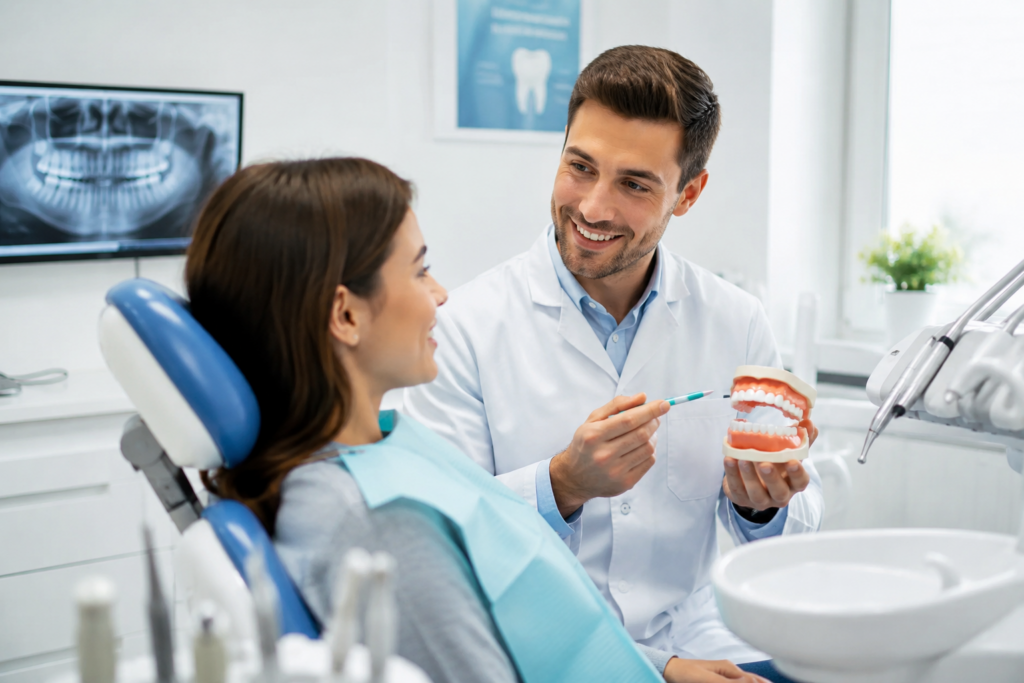
Thinking about full mouth restoration in Nashville, TN can feel overwhelming, but the process is designed to restore function, comfort, and confidence with predictable, modern care. A tailored full mouth restoration addresses worn, damaged, or missing teeth using a combination of crowns, implants, bridges, and periodontal care so patients regain a healthy, reliable smile.
They can expect a straightforward consultation that maps problems, explains treatment options, and prioritizes comfort with advanced imaging and sedation choices. The article walks through what full mouth restoration means, typical treatments available in Nashville, what a visit looks like, costs and financing, and why many choose local dental experts for lasting results.
What Full Mouth Restoration Means
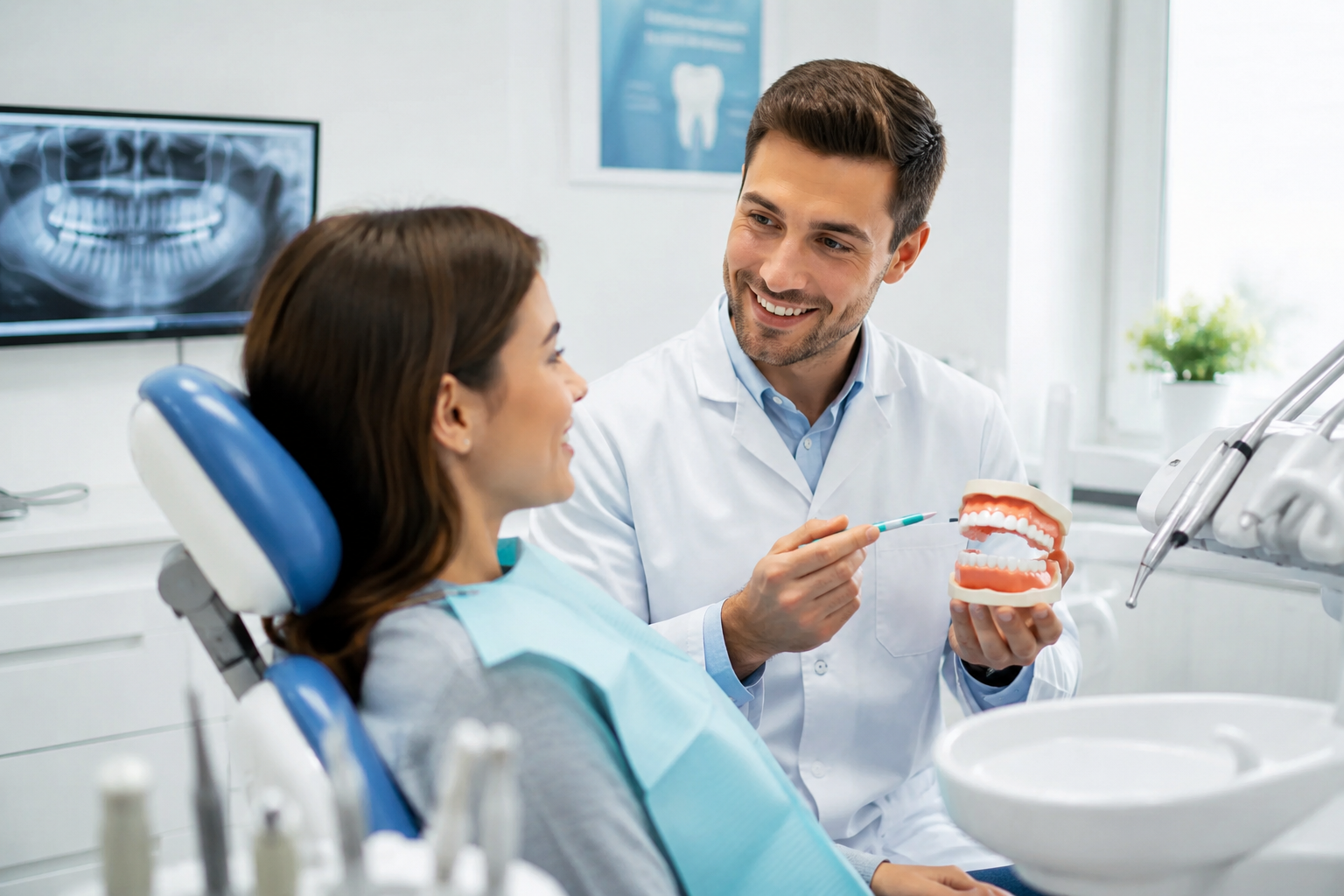
Full mouth restoration combines restorative, cosmetic, and preventive dentistry to rebuild function, comfort, and appearance across all teeth. It often involves coordinated treatments like crowns, implants, gum therapy, and bite correction tailored to each patient’s anatomy and goals.
Comprehensive Dental Care Explained
Full mouth restoration addresses every tooth and oral structure, not just isolated problems. Providers begin with a detailed evaluation: medical and dental history, full-mouth X-rays, 3D scans, bite analysis, and intraoral photos. This diagnostic step identifies decay, failing restorations, bone loss, gum disease, tooth wear, and occlusal (bite) issues.
Treatment plans usually combine procedures scheduled over weeks to months. Typical components include:
- Restorations: crowns, bridges, onlays to repair damaged teeth.
- Replacement: dental implants and implant-supported dentures for missing teeth.
- Gum care: scaling/root planing or periodontal surgery where needed.
- Bite management: occlusal equilibration or orthodontics to stabilize function.
The team coordinates sequencing so healing and function progress logically. They also prioritize conservative options and patient comfort, using sedation and digital planning to improve predictability.
Who Might Benefit from Full Rejuvenation
Patients with multiple failing restorations, widespread decay, advanced gum disease, bite collapse, or significant tooth loss are common candidates. Those who experience chronic jaw pain, difficulty chewing, frequent tooth sensitivity, or aesthetic concerns from worn teeth often see major quality-of-life improvements.
Specific examples:
- A patient with missing molars, fractured front teeth, and receding gums that cause chewing pain and chronic sensitivity.
- Someone whose enamel erosion from bruxism (teeth grinding) shortens teeth and alters facial support.
- A person with multiple old fillings and recurrent cavities leading to repeated dental emergencies.
Dentists evaluate overall health, bone levels, and financial/ time considerations before recommending full restoration. They tailor plans to incremental steps when patients prefer staged care or need less extensive intervention.
Common Dental Concerns Addressed
Full mouth restoration targets functional and aesthetic problems simultaneously. It resolves pain, restores bite alignment, and improves speech and chewing efficiency. Cosmetic goals—such as uniform tooth color, shape, and proportion—are met while ensuring restorations withstand daily forces.
Common issues fixed include:
- Missing teeth: replaced with implants or fixed bridges to prevent shifting and bone loss.
- Severe wear and fractures: rebuilt with crowns or onlays to restore height and protect teeth.
- Advanced periodontal disease: treated with deep cleanings or surgery, then stabilized to support restorations.
- Malocclusion and TMJ symptoms: treated through occlusal adjustments, splints, or orthodontics.
Dentists also address practical concerns like maintenance, warranty on work, and long-term follow-up. They recommend tailored preventive plans—professional cleanings, night guards, and home care training—to protect the investment and reduce future procedures.
Your Consultation Experience in Nashville
Patients can expect a focused, step-by-step visit that covers comfort, a detailed oral exam, and clear treatment planning. Staff explain costs, timeline, and what to bring so the appointment runs smoothly.
Welcoming You to Our Dental Practice
The front desk team greets patients by name and helps with insurance verification and paperwork, reducing time in the waiting area. The reception area offers reading materials and a calm environment; parking and wheelchair access are clearly marked.
A treatment coordinator reviews financial options, available payment plans, and estimated out-of-pocket costs before clinical work begins. This conversation ensures no surprise bills and helps patients plan the full-mouth restoration timeline.
Clinicians prioritize comfort from the first handshake. They offer noise-cancelling headphones, warm blankets, and a private consultation room for sensitive discussions about dental history and anxiety management.
Personalized Smile Assessment
The dentist performs a comprehensive oral exam including periodontal charting, TMJ assessment, and evaluation of tooth wear and existing restorations. Digital X-rays and a CBCT scan are taken when needed to assess bone volume, root positions, and sinuses for implant planning.
Intraoral photos and digital impressions capture bite relationships and esthetic concerns. These records create a visual baseline the team uses to show patients current conditions and proposed changes.
The clinician explains which teeth are salvageable, which require crowns or extractions, and whether implants, bridges, or dentures best restore function. They provide a staged plan with expected treatment duration and recovery milestones.
Understanding Patient Goals
The team asks about functional priorities like chewing certain foods, speech, and comfort, plus esthetic preferences such as tooth shape, color, and smile line. They document lifestyle factors—smoking, bruxism, medications—that affect treatment choices and healing.
Clinicians present realistic outcomes using before-and-after photos from similar cases and offer options that balance durability, appearance, and budget. They discuss timelines: immediate extractions with temporary teeth, staged implant placement, or full-arch prostheses.
Shared decision-making guides the final plan. Patients receive written estimates, a proposed schedule, and contact details for follow-up questions so they can make informed choices and feel confident moving forward.
Popular Treatment Options Offered
Patients can expect a mix of restorative, cosmetic, and implant-based solutions tailored to their oral health, function, and appearance. The options below focus on durable materials, modern techniques, and comfort measures to reduce chair time and recovery.
Restorative Procedures for Damaged Teeth
Restorative care aims to repair teeth compromised by decay, fracture, or wear while preserving as much natural tooth as possible. Common treatments include composite fillings for small-to-moderate cavities, inlays/onlays for larger restorations that conserve tooth structure, and full-coverage crowns when strength and shape must be fully restored.
Endodontic therapy (root canal) is used when pulp infection threatens the tooth; modern rotary instruments and local anesthesia improve comfort and predictability. For severely damaged or non-restorable teeth, tooth extraction followed by a replacement plan prevents shifting and bite problems. Clinicians often combine restorative work with occlusal adjustment or nightguards when bruxism contributes to damage.
Cosmetic Enhancements for a Brighter Smile
Cosmetic options focus on color, shape, and alignment to create a natural-looking result that complements facial features. Porcelain veneers mask stains, chips, and minor misalignment with minimal tooth reduction and long-lasting color stability. Teeth whitening (in-office or take-home kits) removes intrinsic and extrinsic stains; dentists choose concentrations and protocols to balance speed with sensitivity control.
Direct composite bonding repairs small defects and reshapes teeth in a single visit, ideal for budget-conscious patients. Orthodontic solutions like clear aligners straighten teeth discreetly, often integrated into full-mouth plans to optimize function before final restorations. Providers prioritize shade-matching, provisional restorations, and communication so cosmetic results meet patient expectations.
Replacing Missing Teeth with Advanced Solutions
Replacing missing teeth restores chewing ability, speech, and facial support while preventing adjacent tooth movement. Dental implants act as titanium roots anchored in bone and support single crowns, multiunit bridges, or full-arch prostheses. Implant-supported restorations deliver stability and bone preservation; immediate-load options can provide temporary teeth the same day in selected cases.
Fixed bridges remain an option when implants are contraindicated; they span gaps using adjacent teeth as abutments. Removable prostheses (partial or full dentures) offer cost-effective replacement and can be upgraded with implant attachments for improved retention. Clinicians assess bone volume, medical history, and prosthetic goals to recommend the most predictable replacement strategy.
Modern Technology and Comfortable Care
This practice pairs precise digital tools with gentle treatment methods and practical sedation choices to make full mouth restoration predictable and calm. Patients benefit from clear imaging, tailored care plans, and options that reduce discomfort and anxiety.
Digital Imaging and Planning
They use intraoral scanners to create accurate 3D models of teeth and gums without messy impressions. These scans feed into CAD/CAM software so crowns, bridges, and implant guides are designed to match bite, shape, and esthetics precisely.
Cone beam CT (CBCT) provides detailed views of bone, nerve pathways, and sinus anatomy. That lets the team plan implant positions and bone graft needs with millimeter accuracy, reducing surprises during surgery.
Digital treatment planning also enables mock-ups and surgical guides. Patients can see a virtual preview of final results and the dentist can fabricate restorations or guides in-house or via trusted labs, shortening timelines and improving fit.
Gentle Techniques for Anxiety-Free Visits
They prioritize gentle tissue handling, using atraumatic extraction methods and minimally invasive implant placement when possible. Local anesthesia protocols focus on complete numbness before any procedure begins to prevent pain.
The team employs soft-tissue management like laser therapy for precise, bloodless contouring and faster healing. They also offer short, staged appointments to reduce fatigue and stress for patients undergoing comprehensive work.
Communication plays a big role: clinicians explain each step, show the tools, and confirm comfort frequently. They also provide topical numbing gels and vibration devices to reduce injection discomfort for nervous patients.
Sedation Options for Peace of Mind
They offer three common sedation levels: oral sedation (pill taken before the visit), nitrous oxide (laughing gas), and IV sedation for deeper relaxation. Each option is selected based on medical history, procedure complexity, and patient preference.
Oral sedation produces drowsiness but keeps patients responsive; nitrous oxide works quickly and wears off fast for quick recoveries. IV sedation provides controlled, adjustable sedation during long or invasive procedures and requires monitoring by trained staff.
Before any sedation, patients complete a health screening and fasting instructions. The practice follows safety protocols—vital signs monitoring, emergency equipment on hand, and post-op recovery instructions—to ensure safe, comfortable care.
If they want personalized advice about which technologies or sedation methods fit their case, the team invites patients to schedule a consultation or call with questions.
Your Step-by-Step Restoration Journey
This section explains how the dental team evaluates needs, creates a tailored plan, schedules procedures over a predictable timeline, and supports recovery with specific home-care steps. Patients can expect clear staging, defined visits, and practical aftercare to protect their investment and comfort.
Creating Your Custom Treatment Plan
The dentist begins with a comprehensive exam: full-mouth X-rays, CBCT scan when indicated, periodontal charting, and digital impressions. They document missing teeth, bone levels, bite relationships, and esthetic goals to form a clinical picture.
A written treatment plan lists procedures, sequencing, materials, and alternatives. For example: extractions and bone grafting first, then implants, provisional restorations, and final crowns or fixed bridges. Costs, insurance estimates, and financing options appear on the same document.
The plan includes measurable goals: desired occlusion, implant positions, and shade selection. The team reviews risks and benefits, answers questions, and obtains informed consent before scheduling. A nurse or treatment coordinator confirms medical history and pre-op instructions.
Timeline and Expected Visits
Typical full-mouth restoration unfolds over defined phases: diagnostics, preparatory surgery, implant integration (if used), restorative delivery, and follow-up. Many patients complete treatment in 6–12 months; complex bone grafting can extend timelines to 9–18 months.
Common visit breakdown:
- Visit 1: Consultation, imaging, impressions, and treatment planning.
- Visit 2: Extractions and grafting (if needed).
- Visit 3: Implant placement and immediate provisionalization when possible.
- Visit 4–6: Follow-up checks during osseointegration (every 4–12 weeks).
- Final visits: Abutment placement, shade try-in, and delivery of final crowns or bridges.
Appointments vary by case complexity and patient health. The practice provides a written schedule and adjusts visits for healing, travel, or work commitments. Emergency contact and same-week pain management are standard.
Caring for Your Smile After Procedures
After surgical steps, patients get specific wound-care instructions: rinse with prescribed antiseptic, avoid vigorous spitting, and apply ice intermittently for 24 hours. Soft-food menus (eg, smoothies, mashed potatoes, scrambled eggs) and protein-forward choices help nutrition without stressing surgical sites.
Oral hygiene protocols differ by phase. Early healing: gentle brushing away from surgical sites and antimicrobial rinses twice daily. After prosthetic delivery: resume regular brushing with a soft-bristle brush, daily flossing or interdental brushes, and a recommended low-abrasive toothpaste.
Maintenance appointments matter: professional cleanings every 3–6 months initially, then personalized recall intervals. The team monitors peri-implant tissue and prosthetic fit, adjusts occlusion as needed, and provides nightguard options to protect restorations. Patients receive printed and digital instructions plus a direct line for questions or concerns.
Understanding Investment and Financing
This section explains what patients typically pay for full mouth restoration and the common ways clinics help manage costs. It clarifies what is included in fees and how insurance, financing, and payment plans commonly apply.
Transparent Pricing and What’s Included
Clinics usually break the total cost into diagnostics, surgical fees, prosthetics, and follow-up care. Diagnostics often include CBCT scans, digital impressions, and a comprehensive treatment plan; surgical fees cover implant placement or extractions; prosthetics cover temporary and final restorations; follow-up covers adjustments and routine maintenance.
Ask for an itemized estimate that lists each component and the expected timeline for staged procedures. Confirm whether sedation, lab fees, bone grafting, or additional imaging are included or billed separately. Request warranty details for restorations and implants, and get the policy in writing.
Compare quotes by matching like-for-like items rather than just total price. Look for clinics that provide phased treatment options so payment aligns with each stage. Transparent clinics often offer printed or digital cost breakdowns and explain refund or revision policies.
Dental Insurance and Payment Solutions
Most dental insurance covers parts of a full mouth restoration, such as extractions or limited crown coverage, but rarely pays for full implant-supported reconstructions in full. Patients should submit pre-treatment estimates to insurers to clarify covered services and out-of-pocket responsibility before starting.
Clinics commonly offer third-party financing, in-house payment plans, or membership plans to reduce upfront cost. Typical options include 6–60 month interest-free plans for qualified applicants and low-interest loans for longer terms. Ask about required down payments, monthly amounts, and penalties for late payments.
Patients should verify annual maximums, waiting periods, and deductibles with their insurer. Request assistance from the clinic’s financial coordinator to file claims, estimate benefits, and compare financing offers so the patient can choose the most affordable, transparent option.
Why Patients Choose Nashville Dental Experts
Nashville Dental Experts combines advanced restorative skills with a patient-first approach. They prioritize comfort, predictable results, and clear communication throughout full mouth restoration.
Skilled Team and Local Expertise
The clinical team includes prosthodontists, oral surgeons, and restorative dentists with collective experience in dental implants, bone grafting, and full-arch prostheses. They perform digital treatment planning using CBCT scans and intraoral scanners to map bone density, nerve locations, and prosthetic contours before any surgical step.
They coordinate care in-house to reduce referrals and treatment delays. This integrated model shortens timelines for implant placement and prosthesis delivery and helps maintain consistency in esthetics and bite function.
Patient safety and comfort guide clinical choices. The office offers IV sedation, custom surgical guides, and same-day provisional restorations when appropriate, reducing time without functional teeth and improving immediate appearance.
Patient Success Stories from Our Community
Local patients report restored ability to eat a full range of foods, reduced jaw pain, and improved speech after treatment. Case examples often note implants placed in a single surgery followed by provisional bridges within days, allowing quick return to normal activities.
One documented case involved full-arch rehabilitation after years of wear and failing restorations; the team rebuilt vertical dimension, corrected bite alignment, and delivered zirconia bridges for long-term durability. Another patient received bone grafting and delayed implants, emphasizing careful planning over rushed timelines.
Testimonials highlight clear financial options and thorough preoperative education. Patients emphasize staff responsiveness, step-by-step explanations of care stages, and routine follow-up to adjust occlusion and polish final prostheses.
Prioritizing Oral Health for Lasting Results
They must maintain good daily habits after full mouth restoration to protect the investment and oral health. Brushing twice daily with a soft-bristle brush and fluoride toothpaste removes plaque without damaging restorations.
Flossing and interdental cleaning reach spaces a brush cannot. Regular use of floss, interdental brushes, or water flossers reduces the risk of decay and gum disease around crowns, bridges, and implants.
Professional cleanings and checkups catch problems early. Most patients benefit from dental visits every 3–6 months, depending on their risk level and the complexity of their restoration.
Lifestyle choices affect longevity. Tobacco use, high-sugar diets, and teeth grinding increase wear and complications; dentists can provide strategies and referrals to manage these risks.
They should follow any specific home-care instructions for implants, dentures, or veneers. For example, implant care often includes gentle cleaning around the implant collar and avoiding hard foods that could stress restorations.
A simple care checklist helps patients stay on track:
- Brush twice daily with fluoride toothpaste
- Floss or use interdental tools once daily
- Attend professional cleanings every 3–6 months
- Wear any prescribed nightguard or retainer
- Avoid tobacco and limit sugary drinks
Patients who maintain these routines usually experience more predictable, longer-lasting outcomes. They should ask their dental team about personalized plans, adjustments, or products that suit their restored smile.
Taking the First Step Toward a New Smile
Patients often feel unsure about beginning full mouth restoration, and a friendly consultation eases that uncertainty. The dentist reviews medical and dental history, listens to goals, and explains options in plain language.
A typical first visit includes a clinical exam, digital X‑rays, and sometimes 3D imaging to map bone and tooth structure. These tools let the team build a clear, personalized plan without guesswork.
Financial and scheduling concerns come up frequently; the office discusses phased treatment, insurance, and payment plans to match each person’s needs. Clear estimates and realistic timelines help people plan with confidence.
Comfort and safety receive attention at every step, from local anesthesia to sedation when appropriate. The team outlines what to expect during recovery and provides written aftercare instructions.
Patients receive a simple summary of recommended procedures, risks, and expected outcomes, plus alternatives when applicable. This transparent approach makes it easier to weigh choices and decide on the next step.
If someone wants to learn more, the practice encourages a follow‑up call or a second opinion appointment. They invite questions and offer to schedule a consultation to begin the journey toward a healthier, more comfortable smile.
Frequently Asked Questions
This section answers practical concerns about procedures, timeframes, costs, comfort, and treatment choices for full mouth restoration in Nashville. It gives clear, specific information patients can use when deciding whether to schedule a consultation.
What does a full mouth restoration typically include, and how do I know if I need one?
A full mouth restoration commonly combines crowns, bridges, dental implants, veneers, root canal therapy, periodontal treatment, and occlusal (bite) adjustment. The exact plan depends on tooth loss, decay, gum disease, bite problems, and aesthetic goals.
Patients usually need evaluation if they have multiple failing restorations, loose or missing teeth, chronic jaw pain or headaches, difficulty chewing, excessive tooth wear, or persistent gum inflammation. A dentist in Nashville will assess X-rays, intraoral scans, bite relationships, and medical history to recommend a tailored plan.
How much does a full mouth reconstruction usually cost, and what factors affect the price?
Typical cost ranges in the U.S. span from $20,000 to $80,000 or more for full-mouth cases, but Nashville prices vary by clinic and complexity. Major cost drivers include the number of implants, type of prosthesis (fixed vs. removable), bone grafting, sedation, and use of ceramic vs. metal-based crowns.
Advanced digital planning, specialist involvement (periodontist, oral surgeon, prosthodontist), and same-day restorations also raise costs. A local consultation with detailed imaging provides an itemized estimate and identifies which procedures are essential versus optional.
What are the best treatment options if I’m missing several teeth or have failing dental work?
For multiple missing teeth, implant-supported fixed bridges or full-arch implant prostheses (All-on-4/All-on-6 style) offer stability, function, and long-term bone preservation. Removable overdentures on implants provide a lower-cost, still-stable alternative.
When existing restorations fail, dentists often remove compromised crowns or bridges, treat any decay or infection, restore gum health, and replace restorations with modern ceramics or implant-supported solutions. A multidisciplinary team evaluates structural needs, aesthetic goals, and budget to select the best option.
How long does a full mouth restoration take from the first visit to the final results?
The total timeline ranges from a few weeks for minimally invasive restorative cases to 6–18 months for extensive implant and grafting work. Initial evaluation, planning, and diagnostic records typically take 1–3 appointments over 1–4 weeks.
If implants and bone grafts are required, healing times add 3–6 months per graft or implant phase; some practices offer immediate-load restorations to shorten that period. Final prosthesis fabrication and adjustments usually require several appointments over 2–6 weeks.
Does dental insurance help cover full mouth restoration, and what financing options are available?
Many dental insurance plans cover portions of restorative procedures—crowns, root canals, and extractions—usually at 50–80% after annual deductibles and within yearly limits. Most plans do not fully cover implants or extensive full-mouth rehabilitation, so out-of-pocket costs are common.
Dental offices in Nashville often provide third-party financing, monthly payment plans, or in-house financing to spread costs. Patients should request a cost breakdown, verify benefits before treatment, and ask the office to submit pre-treatment estimates to insurance.
Will the process be comfortable, and what sedation or pain-control options can help me relax?
Dentists use local anesthesia for virtually all restorative steps to prevent pain. For anxious or lengthy procedures, options include nitrous oxide (laughing gas), oral sedatives, and office-based IV sedation under trained supervision.
Postoperative discomfort is typically managed with short courses of NSAIDs or prescribed pain medication, cold packs, and clear aftercare instructions. Nashville practices prioritize comfort, explain each step, and tailor sedation choices to medical history and patient preference.